
Beyond 40: Cultivating an Active Lifestyle
Published: February 2026
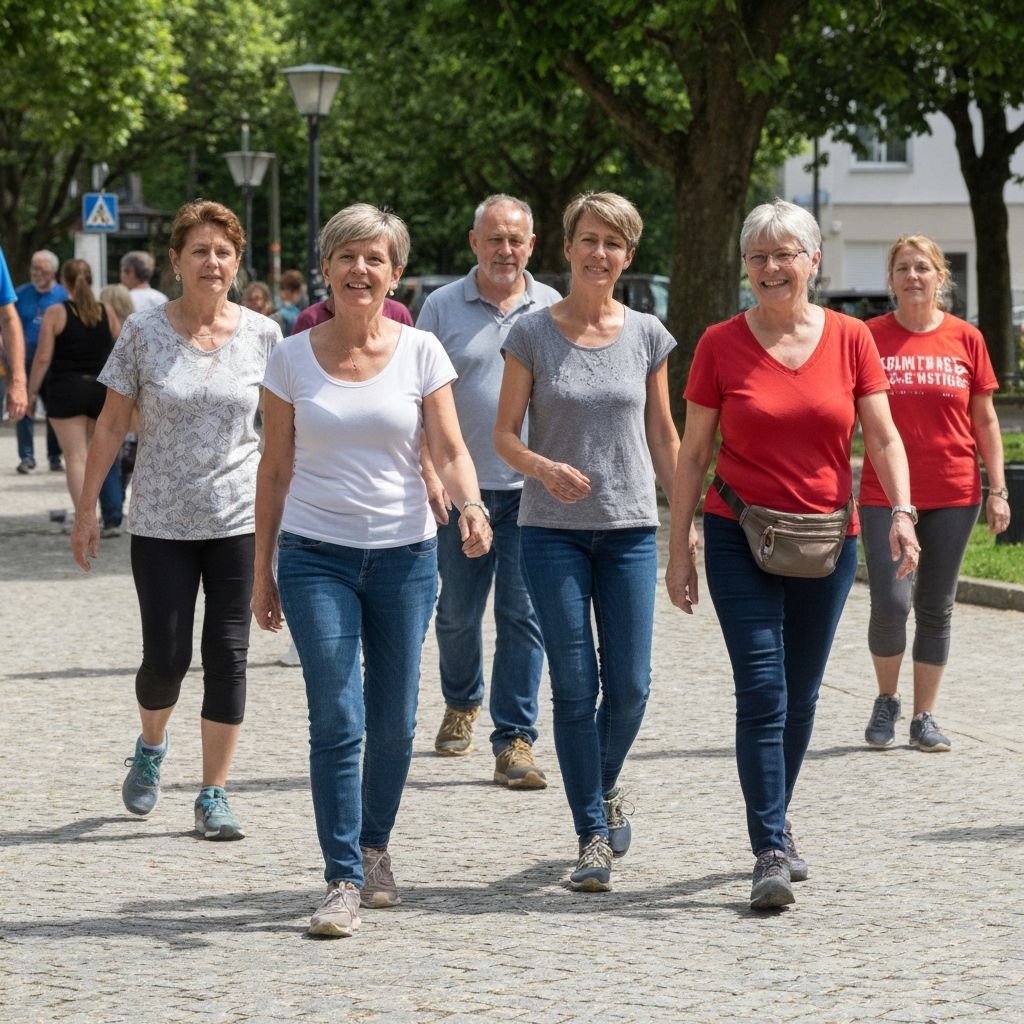
Challenging Assumptions About Activity and Aging
A pervasive cultural narrative suggests that fitness requires intense exercise, competitive achievement, or gym-based regimens. This assumption discourages many people—especially those over forty—from engaging in movement, believing that if they cannot do intense exercise, there is little point in activity at all. This is fundamentally incorrect. The evidence clearly demonstrates that consistent, moderate-intensity activity provides substantial health benefits and is far more sustainable than intensive approaches for long-term wellness.
The Benefits of Consistency Over Intensity
Regular, moderate activity—practiced consistently over months and years—produces greater health outcomes than sporadic intensive exercise. This makes intuitive sense: your body adapts to repeated stimuli, responding by improving cardiovascular function, maintaining muscle mass, enhancing bone density, and supporting metabolic health. These adaptations require sustained patterns, not occasional intense efforts.
Moreover, consistency is sustainable. An activity you genuinely enjoy and can incorporate into your life regularly produces lasting benefits. In contrast, intense regimens that feel punitive often produce initial enthusiasm that fades as adherence becomes difficult. The "best" exercise is the one you actually do, consistently, over time.
Accessible Movement Options
Walking
Walking is perhaps the most accessible form of physical activity. Regular brisk walking—maintaining a pace where conversation is possible but slightly challenging (approximately 100-130 steps per minute)—provides cardiovascular benefits, supports bone density, aids weight management, and enhances mental health. Walking can be incorporated into daily life: walking to errands, taking walking meetings, enjoying walks with friends or family. It requires no special equipment or facilities.
Swimming and Water Activity
Water provides buoyancy, reducing joint stress while allowing excellent cardiovascular and muscular engagement. Swimming, water aerobics, and even leisurely water walking are suitable for people seeking low-impact activity. Water temperature, flotation support, and reduced gravity effect make water activity accessible to people with joint limitations or movement restrictions.
Gardening
Gardening engages multiple muscle groups, provides weight-bearing activity, requires sustained effort, and offers psychological benefits. The variety of gardening tasks—digging, planting, weeding, raking—creates diverse movement patterns. Gardening connects you with nature and produces tangible results (growing food or flowers), adding purpose and motivation.
Dancing
Dancing combines movement, music, coordination challenges, and often social interaction. Whether ballroom dancing, folk dancing, or dancing to your favorite music at home, dancing provides cardiovascular engagement, improves balance and coordination, and offers genuine enjoyment. The joy inherent in dancing increases adherence and makes activity feel like pleasure rather than obligation.
Cycling
Cycling (stationary or outdoor) provides low-impact cardiovascular activity. The seated position reduces joint stress while allowing efficient cardiovascular engagement. Cycling can be performed at various intensities and for varied durations, making it adaptable to different fitness levels and time availability.
Gentle Strength Training
Light resistance exercise—using body weight, light weights, or resistance bands—maintains muscle mass and supports bone density. Resistance need not be extreme; light weights performed consistently provide meaningful strength maintenance. Guided classes, instructional videos, or working with a trainer can ensure safe, effective technique.
Setting Realistic Goals
Effective goals are specific, realistic, and aligned with your values and lifestyle. Rather than "get fit," more useful goals might be "walk 30 minutes five days weekly," "try a new gardening project this spring," or "join a weekly walking group." Such goals are specific enough to guide behavior while remaining attainable. Success in achieving realistic goals builds confidence and motivation for continued activity.
Overcoming Common Barriers
Time Constraints
Activity need not occur in formal "exercise sessions." Movement integrated into daily life—parking farther away, taking stairs, gardening, walking while talking on the phone—accumulates throughout the day. Research demonstrates that accumulated activity from multiple short bouts provides similar benefits to structured sessions.
Motivation Fluctuations
Motivation is not constant; it ebbs and flows naturally. Rather than relying entirely on motivation, building activity into routine—scheduling it like any other appointment, finding accountability partners, or choosing activities you genuinely enjoy—sustains participation even when motivation dips.
Physical Discomfort or Limitations
Previous injuries, arthritis, or other physical considerations need not prevent activity—they may simply require modifications. Walking instead of running, swimming instead of weight-bearing activity, or working with a professional to identify suitable modifications ensures safe, effective activity appropriate for your circumstances.
Social Isolation
Activity with others—walking groups, fitness classes, gardening clubs, or dancing—provides social engagement alongside physical benefits. Social connection itself supports health, making group activity particularly valuable. For those preferring solo activity, walking, cycling, or solo swimming are perfectly valid choices.
Building Sustainable Habits
Sustainable activity requires making it convenient, enjoyable, and integrated into your life. Lay out walking clothes the night before. Schedule activity into your calendar as a non-negotiable appointment. Choose activities you genuinely enjoy, not those you believe you "should" do. Find a friend or group to make activity social. Start gradually and build gradually—consistency matters more than intensity or duration.
Activity and Mental Health
Physical activity significantly impacts mental health, reducing anxiety and depression symptoms, improving mood, and enhancing cognitive function. The mental health benefits of activity often occur as quickly or more quickly than physical benefits, providing immediate motivation for continued participation.
Conclusion
Active longevity beyond forty is not about achieving athletic performance or intense fitness regimens. It is about consistent, sustainable engagement in movement that you enjoy, that challenges your body appropriately, and that integrates into your life. Walking, gardening, dancing, swimming, cycling, or any activity performed regularly supports physical health, mental well-being, and the functional capacity for independence and enjoyment throughout life. The key is finding activities that resonate with you and making them consistent parts of your life.